Blog
Why AI Can't Replace Your Employment Lawyer (And Might Make Things Worse)

You're facing a workplace issue. Maybe you've been wrongfully terminated, or you're dealing with discrimination, or your employer violated your rights in some way that feels deeply wrong.
You open ChatGPT or another AI tool. You describe your situation. Within seconds, you get a detailed response outlining potential claims, legal theories, and suggested next steps.
It feels empowering. It feels like you have a lawyer in your pocket.
But here's what you need to know:
using AI to represent yourself in employment law matters creates risks that most people don't see until it's too late.
AI tools have transformed how lawyers work. They increase efficiency, help with research, and streamline document review. But there's a massive difference between a skilled attorney using AI as a tool and an individual using AI as a substitute for legal representation.
That difference can determine whether you win or lose your case.
Employment law isn't just about statutes and case law. It's about people.
Your case involves emotions, workplace dynamics, power imbalances, and human relationships that shaped what happened to you. A skilled employment lawyer reads between the lines of your story. They hear what you're not saying. They understand how your experience fits into broader patterns of employer behavior.
When you tell an AI about being passed over for promotion, it might identify potential claims. But it can't assess the credibility factors that matter in court. It doesn't know that the way you described your supervisor's tone suggests a pattern of retaliation. It can't evaluate whether your emotional testimony will resonate with a jury or whether you need coaching to present your story effectively.
Employment cases often turn on nuance. Did your employer's explanation for firing you make sense, or does it fall apart under scrutiny? Is there evidence of pretext? What about the timing of events?
These questions require human judgment, developed through years of experience in courtrooms and negotiation rooms.
AI can't sit across from you, see the documents you haven't thought to mention, and ask the follow-up question that unlocks the key to your case. It can't build the rapport needed to prepare you for a deposition where opposing counsel will try to shake your testimony.
The practice of law is fundamentally a human endeavor. Your case deserves someone who can fight for you with empathy, strategy, and the kind of intuition that only comes from representing real people in real disputes.
Here's something most people don't realize:
your conversations with AI aren't protected by attorney-client privilege.
When you work with a lawyer, your communications are confidential. You can share sensitive information, discuss strategy, and explore different approaches without fear that the other side will see what you said.
AI doesn't work that way.
Every prompt you enter and every output AI generates can become discoverable evidence in your case. The opposing party can request your AI chat logs during discovery. They can see every question you asked, every draft document you created, and every legal theory you considered.
Think about what this means in practice.
You ask AI whether you have a discrimination claim. You describe facts that might be embarrassing or that you later realize aren't quite accurate. You explore arguments that turn out to be weak. You draft a demand letter that overstates your position.
Now imagine all of that in the hands of your employer's legal team.
They can use your AI interactions to undermine your credibility. They can show that you considered claims you ultimately didn't pursue, suggesting you're fishing for any possible theory. They can point to inconsistencies between what you told AI and what you later testified under oath.
Skilled opposing counsel will exploit this. They'll use your own words against you, taken from conversations you thought were private brainstorming sessions.
When you work with an attorney, you get to think out loud. You get to be wrong, change your mind, and explore options without creating evidence that damages your case.
With AI, you're creating a discoverable record of every misstep.
AI excels at pattern recognition. Feed it the facts of your employment situation, and it will generate an impressive list of potential legal claims.
Wrongful termination. Discrimination based on age, race, gender, or disability. Retaliation. Breach of contract. Violation of public policy. Failure to accommodate. Hostile work environment.
The list goes on.
Effective legal strategy requires focus. You need to identify your strongest claims and build a compelling narrative around them. You need to allocate limited resources to the arguments most likely to succeed.
AI doesn't do this. It generates possibilities without evaluating which ones matter.
In employment law, throwing every conceivable claim at the wall makes you look unfocused and weakens your credibility. Judges and juries respond better to clear, well-supported arguments than to a laundry list of allegations.
A skilled lawyer evaluates your situation and tells you the hard truth. Maybe you have three potential claims, but only one has strong evidence. Maybe your discrimination claim is solid, but your breach of contract theory won't survive a motion to dismiss.
This kind of strategic thinking requires legal judgment that AI simply doesn't possess.
AI also can't assess the practical realities of litigation. It doesn't know that certain judges are skeptical of particular claims. It doesn't understand that some arguments, while legally valid, won't resonate with juries in your jurisdiction. It can't weigh the costs of pursuing a weak claim against the benefits of settling early.
Legal strategy is about choices. What to emphasize, what to downplay, and what to abandon entirely.
AI gives you information. A lawyer give you judgment.
AI responses sound authoritative. They're well-formatted, detailed, and confident in tone.
This creates a dangerous illusion: that you can handle your employment case on your own.
You file your complaint. You respond to discovery requests. You draft motions. You feel like you're doing everything right because AI told you what to do.
Then reality hits.
Maybe the court grants a motion to dismiss because you failed to properly plead an essential element of your claim. Maybe you miss a critical deadline because you didn't understand the procedural rules. Maybe you produce documents in discovery that you should have withheld under legal protections you didn't know existed.
Here's the problem most people don't anticipate:
most employment lawyers won't take your case midstream.
When you've already filed a complaint, made strategic decisions, and created a record in court, you've limited the options available to any attorney who might step in. You've potentially waived arguments, admitted facts, or taken positions that a lawyer would have avoided.
Cleaning up a case that's been mishandled is exponentially harder than handling it correctly from the start. Many lawyers simply won't take on that burden, especially if you've already damaged your own position.
You might find yourself stuck: too far into litigation to back out, but without the expertise to see it through successfully.
The confidence AI provides is false because it doesn't come with accountability. AI won't appear in court with you. It won't fix the mistakes it led you to make. It won't be there when you're facing cross-examination and realize you're in over your head.
Employment litigation is adversarial. Your employer will have experienced attorneys who know how to exploit your inexperience. They'll file motions designed to trap pro se litigants. They'll use procedural tactics that you won't see coming.
The stakes are too high and the complexity too great.
None of this means AI has no place in employment law. In the hands of a skilled attorney, AI is a powerful tool.
Lawyers use AI to review documents more efficiently, identify relevant case law faster, and draft routine correspondence more quickly. AI helps attorneys manage large volumes of information and spot patterns that might otherwise take hours to find manually.
An experienced employment attorney knows when AI's suggestions make sense and when they don't. They verify AI-generated research. They apply professional judgment to AI's output. They use AI to enhance their work, not replace their thinking.
The difference is expertise.
A lawyer knows what questions to ask AI and how to evaluate the answers. They understand the limitations of AI tools and double-check anything that seems off. They combine AI's efficiency with human judgment, legal training, and years of courtroom experience.
When your lawyer uses AI, you still get attorney-client privilege. You still get strategic thinking. You still get someone who's accountable for the outcome of your case.
AI augments legal practice. It doesn't replace it.
If you're facing an employment law issue, you have options that don't involve using AI as your legal representative.
Consult with an employment lawyer early. Many attorneys offer free initial consultations. Even if you can't afford full representation, a consultation helps you understand your rights and the strength of your potential claims.
Some lawyers work on contingency, meaning they only get paid if you win. Others offer limited scope representation, where they handle specific parts of your case while you manage others.
If you genuinely cannot afford any legal help, look into legal aid organizations in your area. Many provide free or low-cost assistance for employment matters.
You can also use AI responsibly for general legal education. Reading AI-generated explanations of employment law concepts can help you understand your situation better. But understand the difference between education and representation.
If you do use AI for background information, never share specific details of your case. Keep your inquiries general. And remember that anything AI tells you should be verified by a real attorney before you rely on it.
Most importantly, don't let AI convince you that you can handle litigation alone. The confidence you feel after getting AI's advice is not the same as the competence you need to succeed in court.
AI is transforming many industries, and law is no exception.
But legal representation remains fundamentally human work. Your employment case involves your livelihood, your reputation, and your rights. It deserves more than algorithmic analysis.
AI doesn't understand the stakes. It doesn't feel the weight of your situation. It can't advocate for you with the passion and strategic thinking that comes from years of representing real people in real disputes.
Before you rely on AI to navigate your employment law matter, understand what you're giving up. You're sacrificing confidentiality, strategic focus, human judgment, and the ability to get experienced help later if things go wrong.
The risks are real. The consequences are lasting. AI is a tool, not a lawyer. Treat it accordingly.
Your case is too important to trust to an algorithm that can't tell the difference between legal information and legal representation. Get the help you need from someone who understands both the law and the human stakes of what you're facing.
Because when it comes to protecting your rights, you deserve more than artificial intelligence.
You deserve actual advocacy.

You signed a noncompete agreement. Maybe it was on your first day, buried in a stack of paperwork. Maybe you didn't negotiate it. Maybe you didn't even see it until after you accepted the job offer. Now you're thinking about leaving, or you already left, and you're wondering: Does this thing actually hold up?
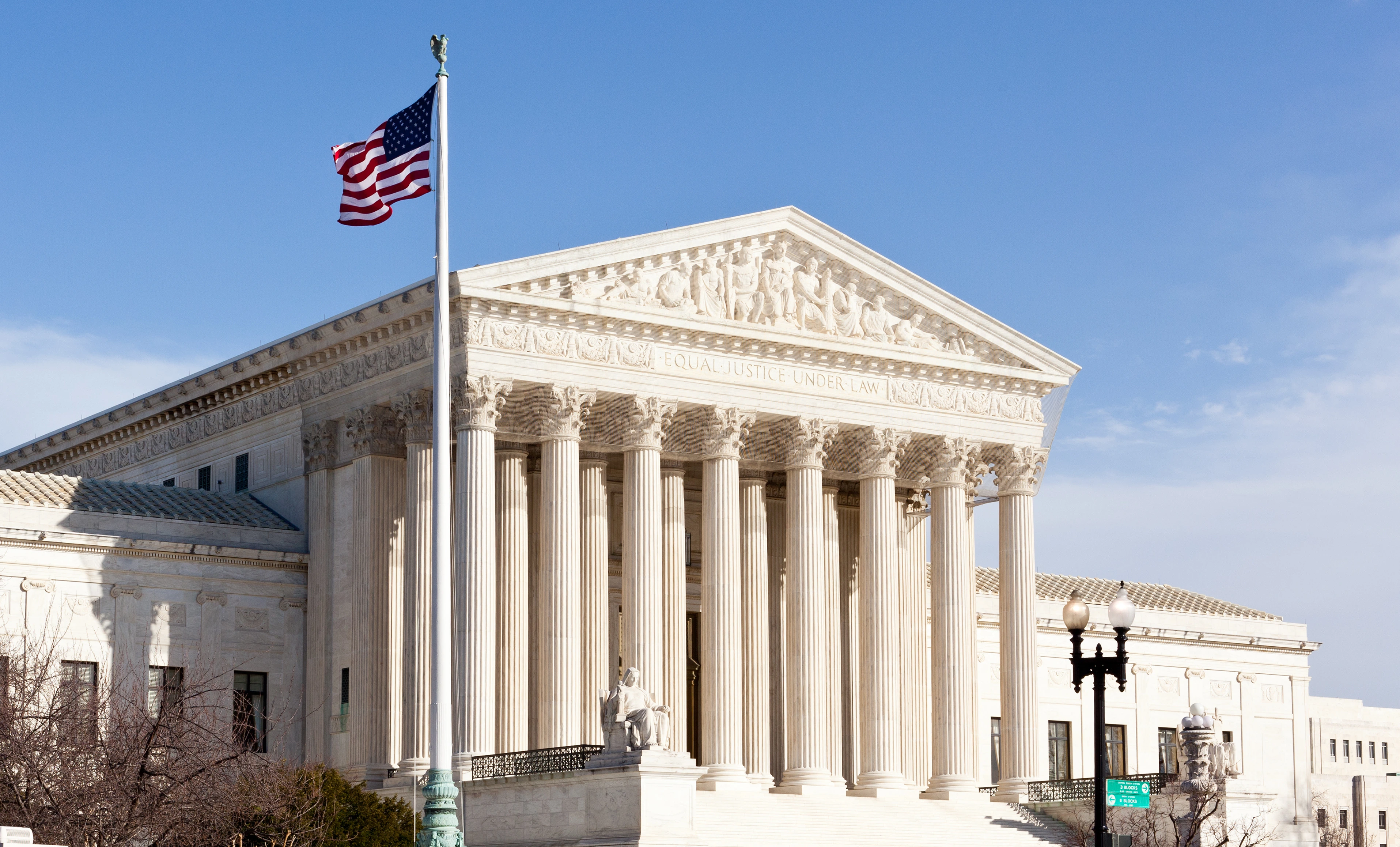
The Supreme Court just handed down a decision that will reshape how thousands of final mile delivery drivers in Illinois and New Jersey approach their legal rights—especially drivers who deliver packages for logistics companies and perform retail deliveries in two states that use one of the strictest worker classification tests in the country.

At Bodzy Law, we meet all of the criteria discussed above. We are specialized and experienced in employment law